Research
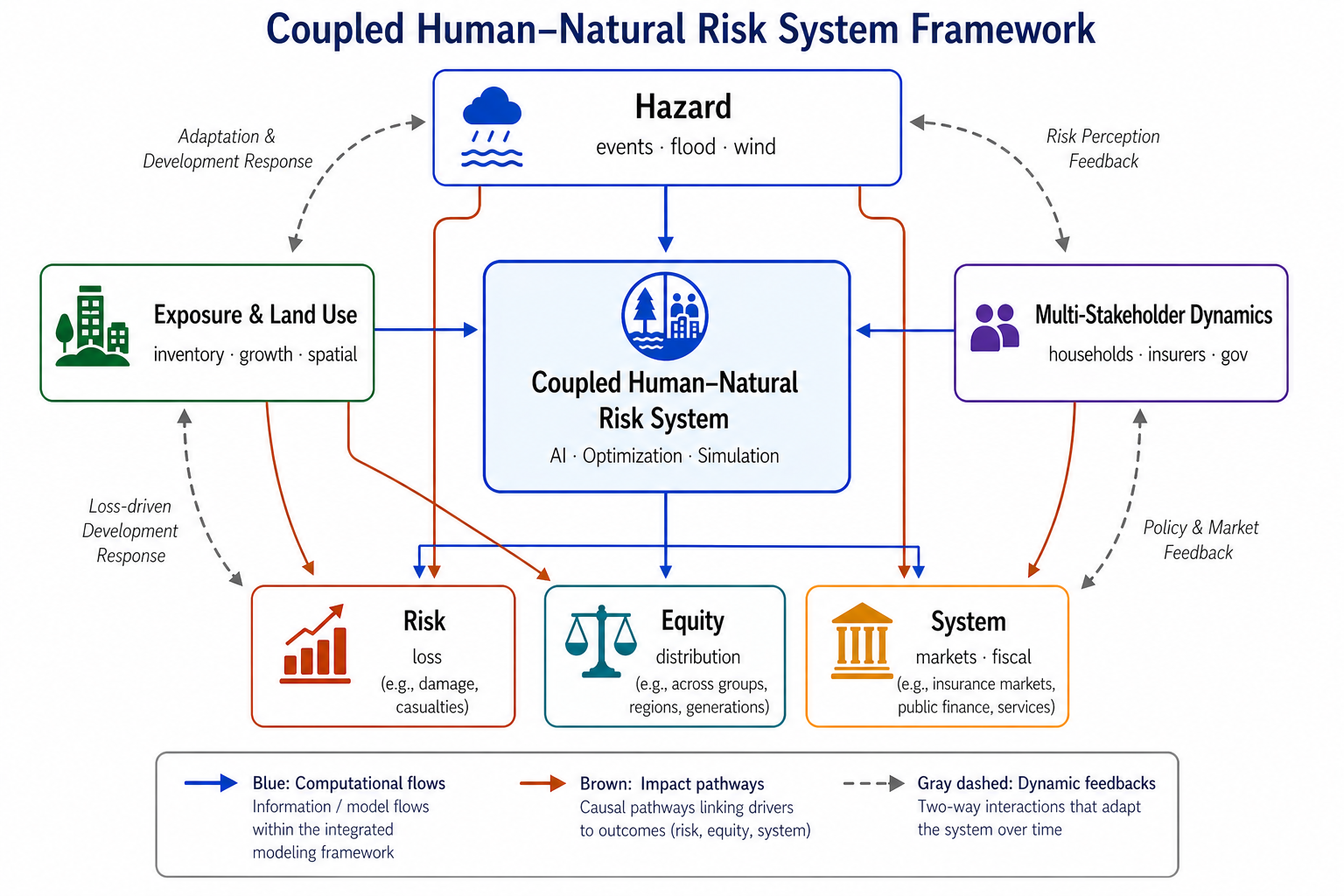
We develop computational frameworks for understanding and managing disaster risk in coupled human–natural systems.
Our work integrates hazard processes, dynamic exposure, and multi-stakeholder decision-making, using AI, optimization, and simulation to design and evaluate policies under uncertainty.
Selected Projects
Hazard & Loss Modeling
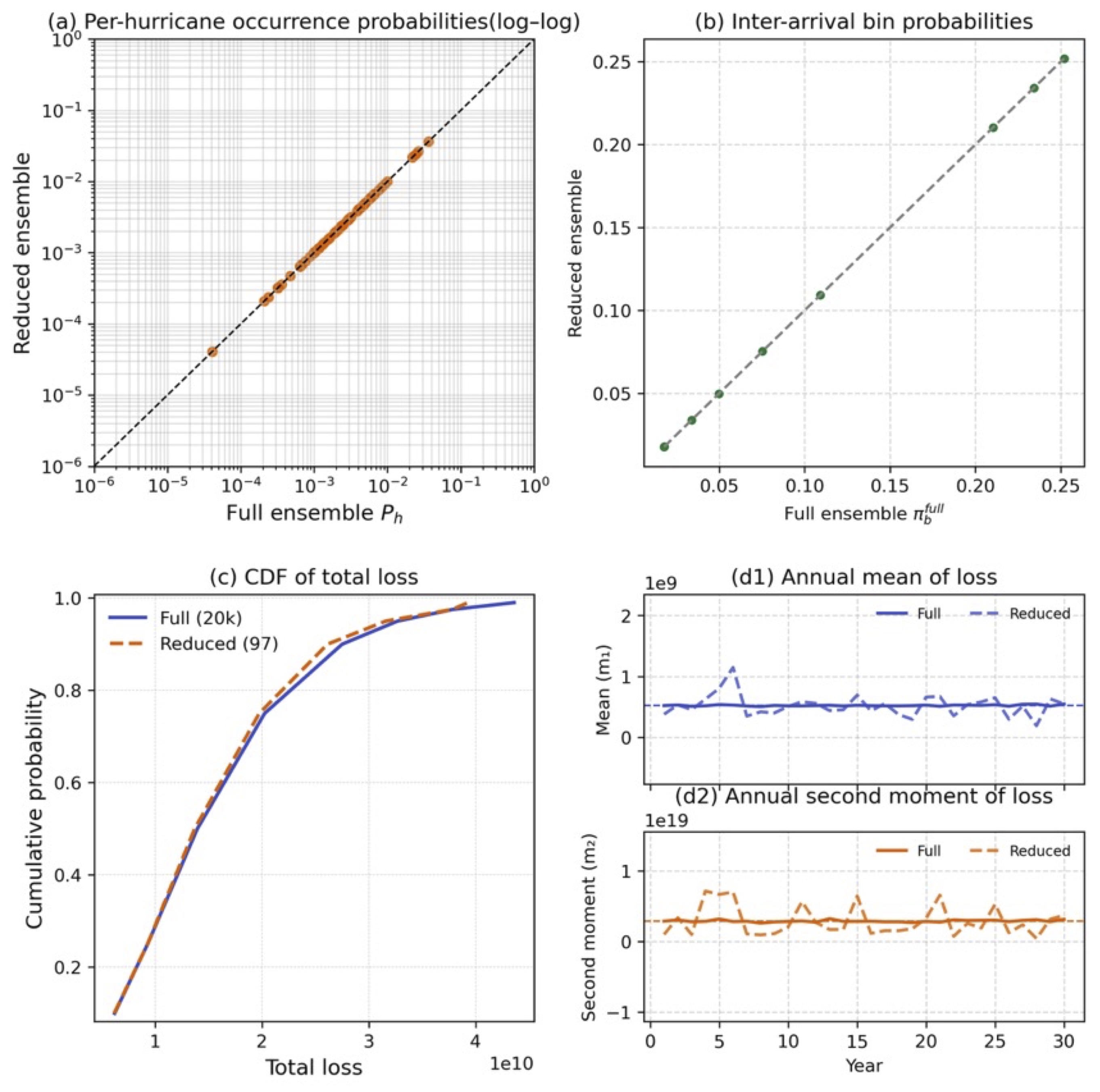
How can long-term hazard and loss processes be represented efficiently enough to support regional risk analysis and decision modeling?
This research area develops probabilistic and computationally efficient methods for representing long-term hazard and loss processes. The focus is on preserving the spatial, temporal, and probabilistic features that matter for regional risk analysis while enabling tractable large-scale simulation and decision modeling.
Selected publication
Wang, J., Davidson, R., & Nozick, L. (2026). An Optimization-Based Approach to Developing Computationally Efficient Long-Term Event-Loss Scenario Ensembles. Journal of Risk and Uncertainty in Engineering Systems, Part A: Civil Engineering. DOI
Dynamic Exposure & Land Use
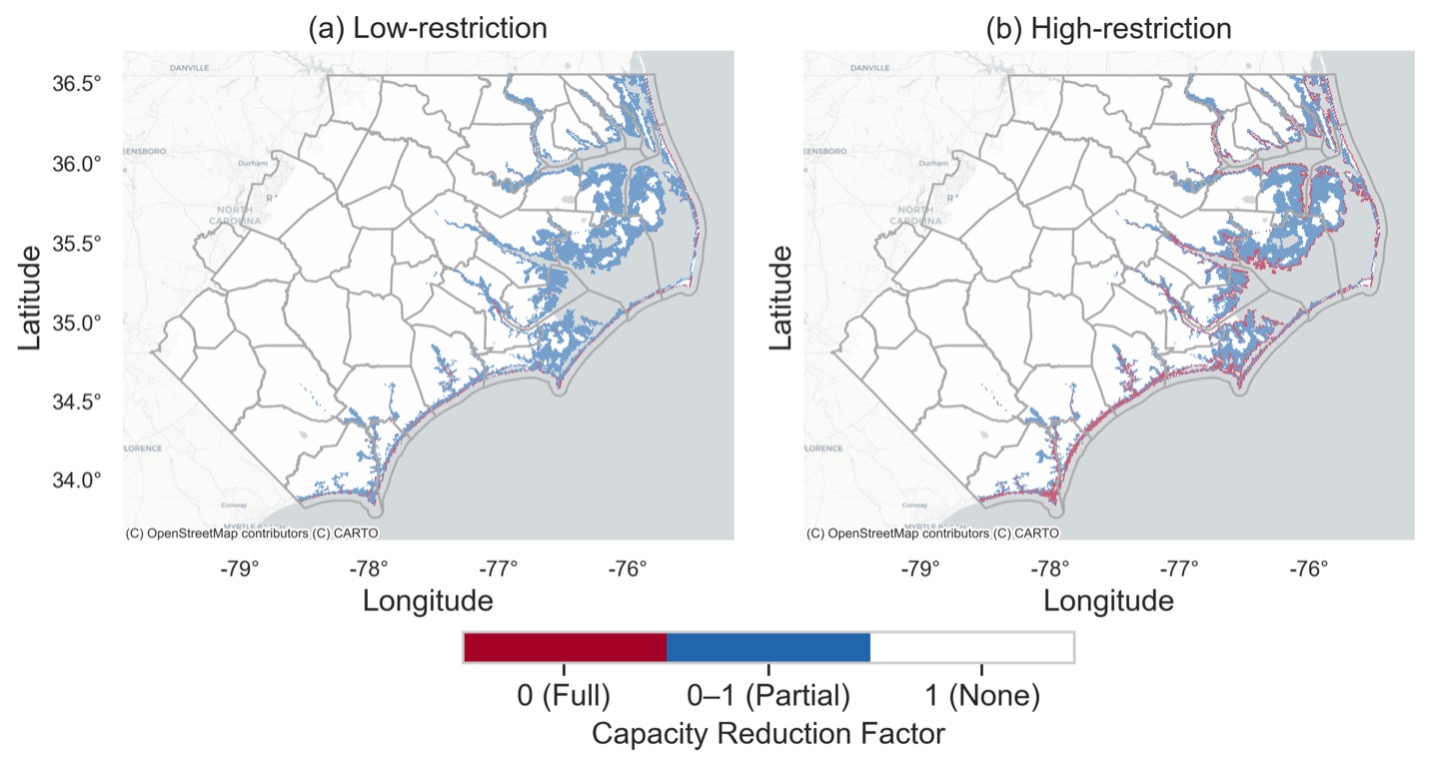
How do growth, development patterns, and land-use interventions reshape future disaster risk?
This research examines how development patterns, building inventory growth, and land-use policies reshape future disaster risk. Exposure is treated as dynamic rather than fixed, with emphasis on how policy can guide where growth occurs, who remains exposed, and how losses are redistributed over time.
Selected Publication
Wang, J., Williams, C., Davidson, R., Nozick, L., & Millea, M. (n.d.). Coupling Land Use Planning and Multi-Stakeholder Dynamics to Inform Disaster Risk Management. Under review.
Wang, J., Williams, C., Davidson, R., Nozick, L., & Millea, M. (2026). A Multi-Stakeholder Analysis of the Effects of Building Inventory Dynamics and Land Use Planning on Disaster Risk. 13th U.S. National Conference on Earthquake Engineering (13NCEE). Jul 13-17, 2026, Portland, OR.
Multi-Stakeholder Risk & Policy Dynamics
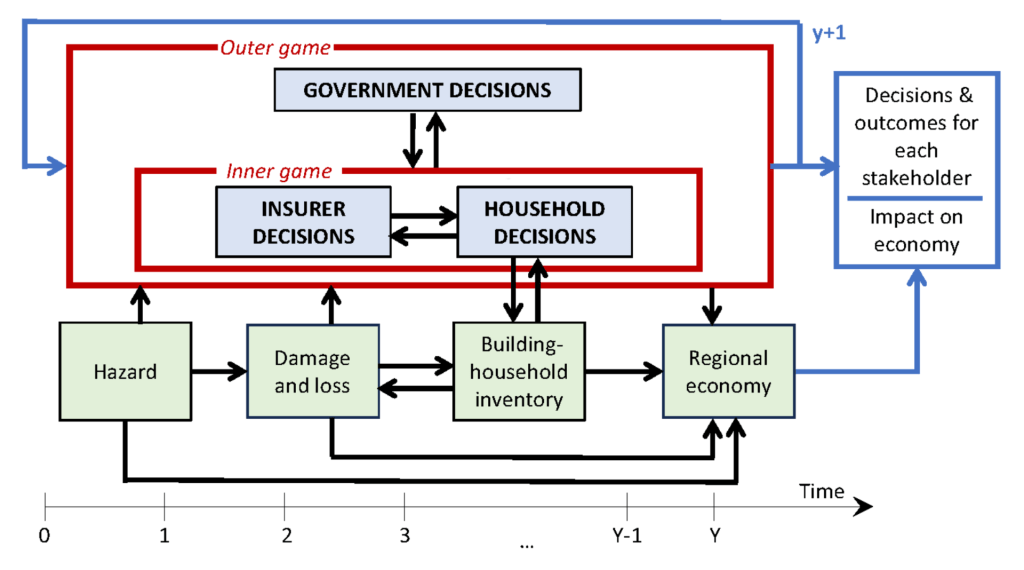
How do households, insurers, and governments interact to shape risk and policy outcomes?
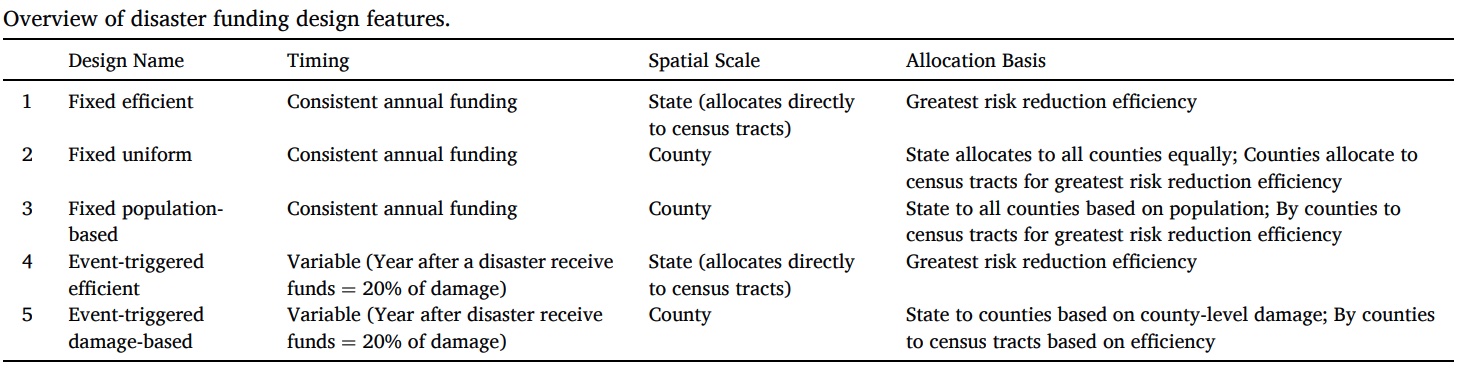
This research develops computational models of how households, insurers, and governments respond to changing risk. It examines how mitigation funding, insurance pricing, household adaptation, and public programs interact to shape affordability, market outcomes, equity, and long-term risk reduction.
Selected publications
Wang, J., Siders, A. R., Davidson, R., & Nozick, L. (2026). Stakeholder Dynamics in Disaster Mitigation Funding. International Journal of Disaster Risk Reduction. DOI
Davidson, R., et al. (2025). Stakeholder-Based Tool for the Analysis of Regional Risk. Natural Hazards Review. DOI
AI, Optimization & Decision Support
How can optimization, simulation, and AI support policy design under uncertainty?
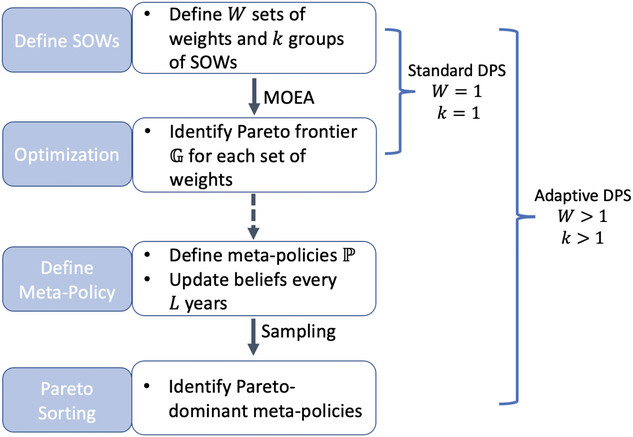
This research uses optimization, simulation, learning-based methods, and explainable AI to support decision-making under deep uncertainty. The goal is to connect complex system dynamics with interpretable tools for evaluating trade-offs across risk reduction, equity, affordability, and system performance.
Selected publications
Wang, J., & Johnson, D. R. (2024). Incorporating learning into direct policy search for flood risk management. Risk Analysis, 44(1), 190–202. DOIRecognition: Student Merit Award (Best Student Research), Engineering and Infrastructure Specialty Group, Society for Risk Analysis (2022)
Johnson, D. R., Wang, J., Geldner, N. B., & Zehr, A. B. (2022). Rapid, risk-based levee design framework for greater risk reduction at lower cost than standards-based design. Journal of Flood Risk Management, 15(2), e12786.DOI
Publications
For a complete list of publications, please see my Google Scholar.